
Foundations of Writing
Writing begins with a clear purpose, audience, and genre intent. Like a streaming platform curating shows, authors select themes, voice, and structure to guide readers through a narrative journey. Revision refines pacing, clarity, and emotional impact, ensuring each scene resonates.Engage readers!!.
Purpose & Audience
Purpose and audience are the twin engines that drive every piece of writing. Before a single word is drafted, a writer must articulate why the story exists and whom it is meant to reach. Purpose can range from informing, persuading, entertaining, or provoking reflection; each choice shapes tone, diction, and structure. Audience analysis, meanwhile, reveals the reader’s expectations, cultural context, and emotional needs. By mapping these variables, a writer can decide on the appropriate level of complexity, the use of jargon, and the narrative perspective that will most effectively engage the target group. In genre composition, this alignment becomes even more critical: a mystery aimed at young adults will employ a brisk pace and accessible language, while a literary novella for a scholarly audience may favor dense, metaphor‑rich prose. The synergy of purpose and audience informs every subsequent decision—plot beats, character arcs, and even the choice of chapter titles—ensuring that the final work not only satisfies genre conventions but also delivers a resonant, purposeful experience. Lorem ipsum dolor sit amet, consectetur adipiscing elit. Sed do eiusmod tempor incididunt ut labore et dolore magna aliqua. Ut enim ad minim veniam, quis nostrud exercitation ullamco laboris nisi ut aliquip ex ea commodo consequat. Duis aute irure dolor in reprehenderit in voluptate velit esse cillum dolore eu fugiat nulla pariatur. Excepteur sint occaecat cupidatat non proident, sunt in culpa qui officia deserunt mollit anim id est laborum. The careful calibration of purpose and audience is the cornerstone of effective storytelling, guiding every stylistic choice and narrative turn toward a coherent, impactful whole.
Narrative Structure Basics
Every narrative hinges on a clear arc that guides readers from inciting incident to resolution. The classic three‑act structure—setup, confrontation, and denouement—provides a framework that can be adapted to any genre. In the setup, you establish setting, characters, and stakes, planting the seeds that will grow into conflict. The confrontation escalates tension, introducing obstacles that test the protagonist’s resolve and forcing pivotal choices. Finally, the denouement resolves the central conflict, delivers thematic payoff, and offers closure or a hook for sequels. Within this skeleton, writers layer beats such as exposition, rising action, climax, and falling action, each serving a distinct emotional purpose. Exposition introduces the world; rising action builds stakes; the climax delivers the most dramatic payoff; falling action untangles loose ends. Timing these beats requires careful pacing: too slow and readers lose interest; too fast and the story feels rushed. Techniques like parallel plots, flashbacks, or nonlinear timelines can enrich the structure, but they must be employed with clear intent and consistent logic. Ultimately, a well‑structured narrative balances predictability with surprise, ensuring that each twist feels earned while the overarching trajectory remains coherent.
By mastering fundamentals, writers craft stories that flow, maintain tension, and deliver satisfying conclusions. The framework serves as a scaffold, but when the writer bends rules to better serve the narrative’s heart!
Voice & Tone
Voice is the unique personality that permeates a story, while tone is the emotional lens through which that voice speaks. In genre writing, voice anchors authenticity, and tone shifts with plot beats—intense during a chase, reflective in a quiet moment of loss. Writers manipulate voice by choosing diction, syntax, and rhythm; tone is set by word choice, pacing, and narrator’s attitude.
To craft consistent voice, start with a character profile: age, background, worldview. Let that profile dictate speech patterns—slang, formal language, or colloquialisms. For tone, map emotional beats: suspense, humor, tragedy. Use a tone chart to align scenes with desired affect. When blending genres, maintain a core voice to avoid jarring shifts; tone can vary more freely, but should never contradict the established voice. Revision is critical: read aloud to hear whether the voice feels authentic and the tone matches the scene’s intent. A strong voice and appropriate tone create an immersive experience, guiding readers through the narrative’s emotional landscape.

- Use of first‑person vs third‑person to shape voice.
- Consistent use of slang or formal register.
- Varying sentence length to control pacing.
- Employing internal monologue to reveal tone.
- Balancing dialogue and exposition for tonal clarity.
Remember, voice is the author’s fingerprint; tone is the mood you set. Mastering both ensures your genre work resonates, feels cohesive, and keeps readers emotionally invested from opening line to final page.
Revision Strategy
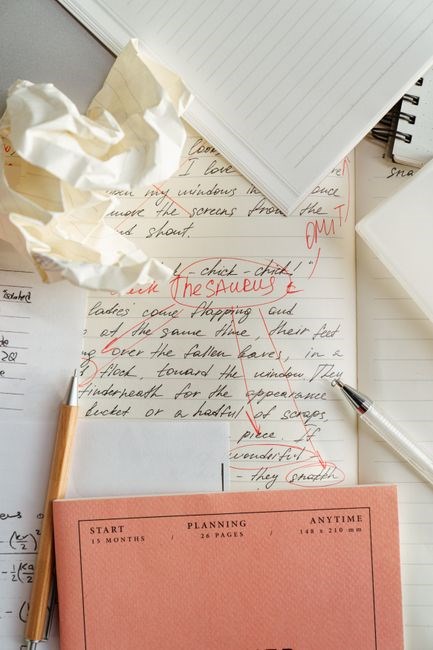
Revision is the engine that transforms a draft into a polished manuscript. Begin with a macro‑level pass: assess plot coherence, pacing, and genre alignment. Check that each scene serves a narrative purpose and that the overall arc satisfies the expectations of the chosen genre. Next, focus on micro‑level details: tighten dialogue, eliminate redundancies, and refine descriptions to maintain a consistent tone and voice. Use a checklist: does the scene advance the plot? Does the dialogue reveal character? Are there any plot holes or inconsistencies? Employ a “read‑back” technique—read the text aloud or have a peer read it—to catch awkward phrasing and pacing issues; After each pass, take a break before returning with fresh eyes. Consider using software tools for grammar and style, but rely on your own judgment for creative choices. Finally, proofread for typographical errors, formatting consistency, and adherence to any publication guidelines. A disciplined, iterative revision cycle ensures that the final manuscript is coherent, engaging, and genre‑appropriate.

The revision process is iterative, requiring multiple passes that refine structure, language, and emotional resonance. Each iteration should focus on a specific element: clarity, pacing, character depth, thematic consistency, and genre fidelity. By systematically addressing these aspects, writers can transform a competent draft into a compelling, polished narrative that meets reader expectations and stands out in its genre for all readers

Genre Mechanics
Genre mechanics outline core conventions, tropes, and reader expectations. Understanding these elements lets writers craft authentic narratives, balance subversion, and blend styles. Mastering mechanics ensures stories resonate within their genre’s framework. Crafting genre!.
Defining Genre Conventions
Genre conventions are the shared expectations that readers bring to a text, shaped by cultural history, market forces, and authorial tradition. They encompass plot patterns, character archetypes, thematic motifs, and stylistic cues that signal a work’s belonging to a particular category. For instance, the mystery genre relies on a crime, an investigative protagonist, a series of clues, and a resolution that restores order; romance genre emphasizes connection, conflict, and a hopeful or bittersweet conclusion; speculative fiction foregrounds world‑building premises, and often commentary on contemporary issues. Identifying these conventions involves close reading of canonical works, noting recurring narrative beats, and mapping them onto a framework that can be referenced during planning. Once a writer catalogs essential elements—such as the “whodunnit” structure for thrillers or the “hero’s journey” for fantasy—these become touchstones that guide scene construction, pacing, and thematic depth. Conventions also serve as a shorthand for readers, allowing them to navigate complex plots quickly; they can be subverted or blended to create hybrid genres, but the underlying mechanics must remain recognizable to maintain coherence. Understanding genre conventions is therefore the first step in mastering the language of any literary form, enabling writers to meet, exceed, or creatively challenge audience expectations while keeping the narrative grounded in a recognizable framework.
Foreshadowing & Tropes
Foreshadowing is a subtle device that plants hints—symbols, dialogue, or visual cues—early in a story, guiding readers toward future revelations. Tropes are recognizable patterns that signal genre expectations, such as the “chosen one” in fantasy or the “mysterious stranger” in noir. When used skillfully, foreshadowing and tropes work together to create a cohesive narrative rhythm that rewards attentive readers and satisfies genre conventions. A writer might drop a seemingly innocuous object—a silver locket, a cracked photograph—in an opening scene; later, that same object becomes the key to unlocking a secret lineage, tying the initial hint to a climactic payoff. Tropes can be employed to establish tone quickly: a haunted house in horror, a ticking clock in a thriller, or a love triangle in romance. However, reliance on tropes without variation risks predictability. The trick lies in subverting expectations—presenting a trope in an unexpected context or giving it a fresh twist—while preserving its core recognizability. For example, a “mysterious stranger” might actually be a future ally, or a “chosen one” could be reluctant, adding depth to the archetype. Foreshadowing also functions as a narrative safety net; it reassures readers that plot turns are earned rather than arbitrary. By weaving foreshadowing into the fabric of tropes, writers create layered storytelling that feels both familiar and surprising, honoring genre traditions while pushing creative boundaries. Editors often flag overused tropes, encouraging authors to layer foreshadowing that hints at a twist before the trope fully unfolds, keeping pacing tight and suspense high. This careful balance turns clichés into hooks.!

Blending & Subversion
Blending genres is the art of weaving distinct narrative DNA—fantasy world‑building, sci‑fi tech, or noir grit—into a single, cohesive tapestry. Subversion flips expectations, turning a familiar trope into a fresh twist. For instance, a detective who solves crimes through empathy rather than interrogation subverts the classic hard‑boiled formula, while a cyberpunk setting infused with pastoral pastoralism blurs the line between dystopia and utopia. Successful blending demands a deep understanding of each genre’s core mechanics: pacing, tone, and thematic stakes. A writer might start with a mystery’s tight pacing, layer in speculative technology, and finish with a mythic moral. Subverting a genre’s payoff—such as revealing the “villain” to be a misunderstood hero—keeps readers guessing and rewards attentive reading. The key is balance: too much subversion can alienate genre fans; too little can feel derivative. Techniques include mixing narrative voices, juxtaposing contrasting settings, and layering symbolic motifs that echo across the blended world. By carefully mapping each element’s function, writers can create a hybrid that feels both familiar and novel, inviting readers to explore new narrative terrain while honoring the roots of each genre. By weaving genre conventions with fresh twists, writers can craft stories that feel both familiar and revolutionary, inviting readers to question expectations and embrace the unexpected. Readers find genre lines fluid, sparking ideas !
Reader Expectations
In genre writing, readers arrive with a set of anticipatory cues—plot beats, character archetypes, and thematic beats that mirror familiar media experiences. Much like a streaming platform’s curated catalogue, a story’s opening signals the genre: a haunted house suggests horror, a ticking clock hints thriller, a first‑person diary evokes memoir. Readers use these signals to build mental models, deciding whether the narrative will satisfy their craving for suspense, romance, or speculative wonder. When a writer subverts or blends, the payoff must still align with an underlying promise; otherwise the reader feels betrayed. Successful genre work balances the familiar with the novel: a detective who solves crimes through empathy flips noir tropes, yet the core mystery remains. Likewise, a space‑opera that incorporates pastoral motifs keeps the high‑tech stakes while offering emotional resonance. The key is to manage expectations through pacing, tone, and consistent world‑building, ensuring that each twist feels earned rather than arbitrary. By respecting the reader’s mental map while daring to surprise, authors maintain engagement and deliver a satisfying narrative journey. Readers leave with a sense of closure, having navigated the promised terrain and discovered unexpected depth.
Readers, however, are not passive; they actively decode genre signals, forming expectations that guide their emotional investment. When a narrative subverts those cues, payoff can feel satisfying surprise, reinforcing writer’s credibility.

Production Process
The production process starts with research, gathering details that anchor genre tropes. Outline maps beats, pacing, and twists, ensuring each scene serves the narrative arc. Drafting follows, balancing voice and pacing, then revision polishes prose and clarity and detail
Research Techniques
Effective genre research begins with immersing oneself in the target category. Start by curating a watchlist of representative works—classic and contemporary—using platforms like Streamz, which aggregates Flemish and international series, films, and documentaries. Note recurring motifs, pacing rhythms, and character archetypes. Complement visual study with textual analysis: read scripts, episode synopses, and critical essays to uncover structural patterns and thematic depth. Create a research log, categorizing findings into sub‑genres, tropes, and audience expectations. Cross‑reference streaming metadata (ratings, viewer demographics) to gauge what resonates. Engage with fan communities and forums for insider perspectives on what feels authentic. Finally, synthesize insights into a reference guide that informs outline decisions, dialogue choices, and plot twists, ensuring the final draft aligns with genre conventions while offering fresh angles.
Researchers blend qualitative narrative analysis with quantitative metrics—viewership stats, social media sentiment and award data to map genre tropes and audience expectations. By aligning these insights with a genre taxonomy writers spot overused conventions and uncover gaps ripe for innovation. Attending conventions and panel discussions further refines understanding of current trends and reader desires ensuring each draft feels authentic yet fresh!!
Outlining & Planning
Begin by mapping the core narrative arc—introduction, rising action, climax, resolution—using a storyboard or a simple three‑act template. For genre work, align each act with established conventions: the inciting incident for thrillers, the love triangle for romance, the mystery hook for detective stories. Draft a beat sheet that lists key scenes, beats, and emotional beats. Use a spreadsheet or a digital tool to track character motivations, stakes, and plot twists. Incorporate research notes: note the pacing of popular series on platforms like Streamz, where Flemish and international shows reveal how many scenes per episode sustain tension. Adjust scene length and dialogue density accordingly. Build a timeline that accounts for subplots and world‑building details, ensuring each element serves the genre’s pacing and tone. Finally, create a flexible outline that allows iterative refinement—swap scenes, tighten pacing, and test beats against genre expectations. This disciplined blueprint turns a raw idea into a structured, genre‑ready manuscript ready for drafting.
After outlining, test its coherence by mapping each scene’s contribution to the central conflict. Use a timeline to visualize spikes and lulls, keeping the narrative arc tight. Incorporate feedback: share the outline with beta readers, then tweak. Document revisions in a version log to track changes and rationales. Finally, lock the outline before drafting to preserve structural integrity throughout the creative process!!
Drafting & Time Management

Once the outline is locked, the drafting phase demands disciplined pacing and realistic scheduling. Treat each chapter as a mini‑episode, mirroring the structure of successful series on platforms like Streamz where each episode delivers a clear payoff. Set a daily word‑count target—e.g., 1,—to keep momentum, and block dedicated writing time on a calendar.
Use the Pomodoro technique: 25 minutes of focused writing, then a 5‑minute break. This rhythm prevents fatigue and keeps the narrative voice fresh. Log what you accomplish after each session: plot adjustments, emotional beats, and pacing notes.
- Allocate 20% of time for research checks, especially when adding genre‑specific details;
- Reserve 10% for spontaneous creative bursts—unexpected dialogue or twists.
- Set a weekly review: read the previous week’s draft aloud to catch pacing issues.
Time management tools like Trello or Notion track progress across scenes and characters, giving visual feedback on deadlines. Prioritize scenes that drive the central conflict when deadlines loom. Drafting is iterative: the first pass captures ideas; subsequent passes refine structure, language, and genre conventions.
Adopt a “write‑first, edit‑later” mindset. Draft without self‑censorship, then schedule a dedicated editing sprint—typically 3–5 days—for structural edits, followed by a separate sprint for line edits and copy‑editing. Celebrate milestones to sustain motivation.
Leverage software like Scrivener or Final Draft to organize scenes, notes, and research in one place. Set milestone deadlines—e.g., first draft by month‑end—to create urgency. Consider an accountability partner or writing group to share weekly progress and maintain consistency.
Combining structured drafting, disciplined timing, and iterative refinement helps writers navigate genre conventions while staying on schedule.
Maintain a daily log of word counts and time spent. Use a simple spreadsheet to track progress against the outline, ensuring each scene meets its intended length. When you hit a plateau, switch tasks—write a scene, then switch to research—to keep momentum high.
After drafting, allow a pause before editing. This mental break helps you spot inconsistencies and strengthens the overall narrative flow.

Final Polishing & Publishing
After refining the draft, perform a full read‑through to spot plot holes and confirm each scene meets genre expectations. Use a style guide, like a streaming platform’s branding rules, to keep terminology and tone consistent.
Use a two‑pass edit: first, adjust structure—scene flow, pacing, arcs. Second, polish sentences, word choice, and dialogue for rhythm and authenticity. Tools like Grammarly help, but human intuition preserves voice.

- Format the manuscript to industry standards (e;g., 12‑point Courier, 1‑inch margins).
- Insert a table of contents and chapter headings to aid navigation.
- Check for copyright compliance, especially when referencing external media.
Once polished, consider beta readers or a professional editor to provide fresh perspectives. Their feedback can reveal subtle inconsistencies that the author may overlook. After incorporating revisions, proofread one final time for typographical errors;
Publishing strategy varies by genre. Literary fiction goes to agents or contests; genre fiction can self‑publish on Amazon KDP or indie presses; Metadata—keywords, categories, blurbs—optimizes discoverability, similar to streaming tags.
Launch with a marketing plan: schedule release dates, create teaser trailers, engage readers on social media. Monitor sales and reviews to iterate future projects. The final polish is not just perfection; it’s about delivering a cohesive, compelling experience that resonates with target audience.!