
The Lazy Mans Guide to Enlightenment, first released in 1972, offers a relaxed path to higher awareness. It argues that true insight need not stem from rigorous discipline, but from simple presence and self‑reflection, reshaping how we perceive reality. It invites calm pause letting thoughts settle.
What Is Enlightenment?
Enlightenment, as framed by the Lazy Mans Guide to Enlightenment, is not a distant summit reached by relentless toil but a gentle unfolding of awareness that can arise in the ordinary rhythm of daily life. The text posits that the universe is composed of entities that expand and contract, shifting between vibrational states that span from raw space to pure energy and finally to tangible matter. By observing these shifts with a calm, non‑judgmental eye, one learns to discern what is truly real versus what is merely a fleeting mental construct. The guide’s core thesis is that the pursuit of higher consciousness does not demand strict discipline, elaborate diets, or austere practices; rather, it invites the practitioner to remain present, to let thoughts drift, and to find peace through simple self‑reflection. In this light, laziness is reframed as a protective stance against the illusion that enlightenment requires effort. It encourages a relaxed, almost effortless engagement with the world, trusting that the subtle vibrations of existence will guide the seeker toward clarity and genuine happiness. Thus, enlightenment in the Lazy Mans tradition is a state of being that emerges from mindful presence, the recognition of reality’s fluid nature, and the acceptance that the most profound insights can surface when we stop forcing and start simply being. The book’s concise 80‑page format underscores that profundity need not be buried under scholarly jargon; instead, it offers clear, actionable insights that can be integrated into any lifestyle, regardless of how busy or unstructured it may be. Readers are invited to experiment with brief pauses, noticing the subtle shifts in their own breathing and sensations, thereby anchoring the practice in the present moment. Over time, these gentle practices accumulate, revealing patterns of thought that no longer dominate the mind, and allowing a deeper sense of interconnectedness to surface. In this way, the Lazy Mans Guide reframes enlightenment as a natural by‑product of attentive living, not a distant goal to be chased daily.

Historical Roots
Rooted in 1972, the Lazy Mans Guide draws on Eastern mysticism and Western counterculture, blending ancient vibration theory with modern skepticism. Its concise 80‑page format distills timeless wisdom into accessible, relaxedpractice, challenging rigid discipline myth
Origins in Eastern Traditions
Drawing from the rich tapestry of Eastern mysticism, the Lazy Mans Guide to Enlightenment weaves together ancient concepts of vibration, energy, and consciousness with a modern, laid‑back perspective. In traditional teachings, reality is seen as a dynamic field of oscillating entities that can expand and contract, shifting between states of space, energy, and matter. The guide distills these ideas into a simple framework: recognize the subtle shifts in your own vibrational state, observe without judgment, and allow the present moment to unfold naturally. By embracing this relaxed stance, the book challenges the notion that enlightenment demands rigorous discipline, strict diets, or relentless effort. Instead, it proposes that true insight emerges from mindful awareness and gentle self‑reflection. The author, Thaddeus Golass, draws on centuries of meditation practices, Taoist principles, and Buddhist mindfulness, yet he reframes them for a contemporary audience that values ease over austerity. The text emphasizes that the universe’s vibrational nature can be accessed through ordinary breathing, stillness, and simple observation, making the path to higher consciousness accessible to anyone, regardless of background or schedule. In this way, the guide bridges ancient wisdom with the everyday realities of modern life, offering a practical, non‑intense route to a deeper understanding of self and reality. Thus, the guide invites readers discover serenity today!
Core Philosophies
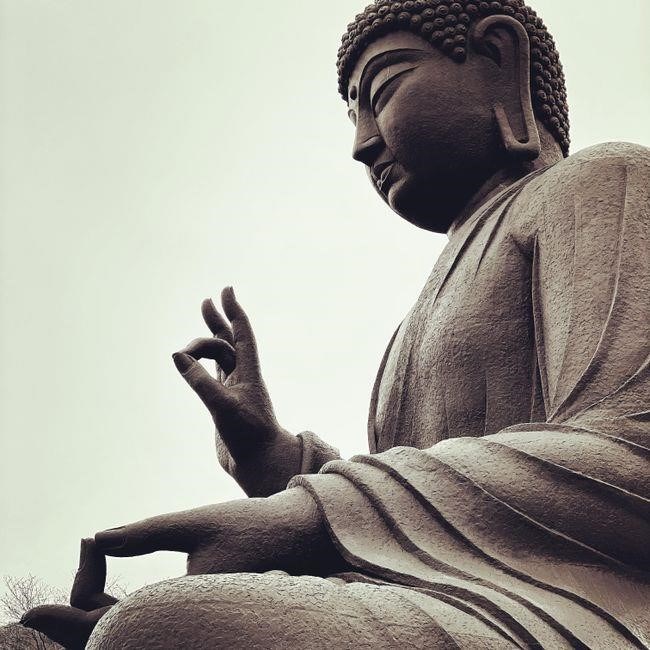
The guide centers on three pillars: mindful presence, effortless observation, and vibrational awareness. It teaches that reality is a fluid field of energy, and that true insight arises from simple breathing, gentle reflection, and living in the now. Simply breathe!.
The Lazy Mans Guide to Enlightenment frames consciousness as a fluid field of vibrational states, where the mind is a mirror reflecting the ever‑shifting energy of the universe. It posits that the self is not a fixed entity but a dynamic process of present‑moment awareness, shaped by breath, observation, and gentle reflection. Reality, according to the guide, is not a static backdrop but a living, resonant tapestry that expands and contracts with each thought and feeling. By learning to observe the mind without judgment, one can dissolve the illusion of separation and experience unity with the cosmos. The book emphasizes that enlightenment is not a distant goal achieved through rigorous discipline; rather, it is a natural unfolding that occurs when one simply lets go of effort and allows the present moment to reveal its truth. Practicing mindful breathing, listening to the subtle rhythm of the body, and acknowledging the transient nature of thoughts help align the individual with the underlying vibrational harmony of existence. In this way, the mind, self, and reality become interwoven threads of a single, ever‑present experience, inviting the reader to step into a state of effortless awareness and genuine contentment.
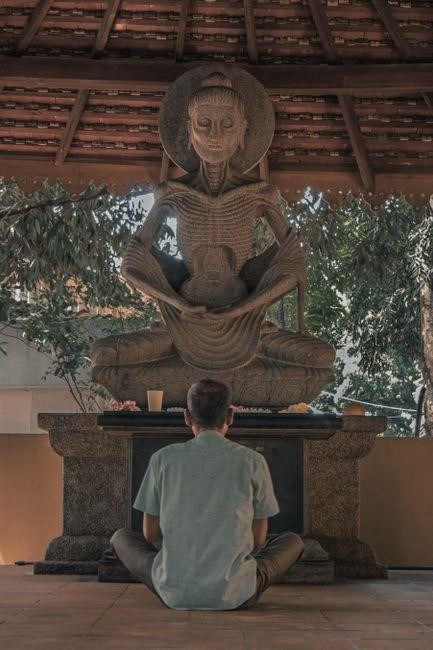
Even the simplest pause between breaths can reveal the pulse of the cosmos, reminding us that enlightenment is a gentle unfolding rather than a hard‑earned conquest. It invites us to listen, breathe, be to letting universe speak.
Common Misconceptions
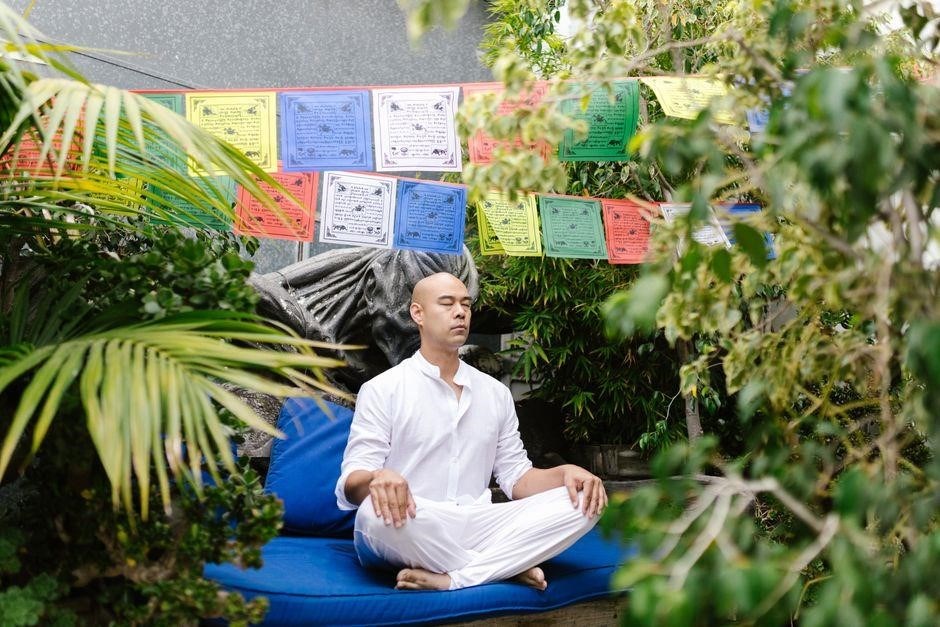
The guide dispels the myth that enlightenment demands relentless effort or extreme austerity. It shows that a relaxed, mindful approach—simple breathing, gentle observation—can unlock insight. Laziness is not a flaw but a doorway to effortless awareness. It invites calm, effortless practice now!.
Effort vs. Laziness Paradox
In the Lazy Mans Guide to Enlightenment, the paradox of effort versus laziness is central. The author argues that the conventional wisdom equating enlightenment with relentless effort, strict discipline, and austere living is misguided. Instead, the guide presents a counter‑intuitive stance: true insight can emerge from a state of relaxed awareness, where the mind is neither over‑stimulated nor under‑engaged. By embracing a gentle, present‑moment focus—simple breathing, brief reflection, and mindful observation—the practitioner can access deeper layers of consciousness without the burden of rigorous practice. The paradox lies in the fact that the very energy expended to force enlightenment often creates resistance, whereas a calm, lazy posture invites spontaneous clarity. The text emphasizes that laziness, when understood as a deliberate choice to let thoughts settle, is not a flaw but a strategic tool. It encourages readers to question the cultural narrative that equates spiritual progress with hard work, and to recognize that the path to higher awareness can be paved with ease, patience, and acceptance. The guide’s 80‑page format underscores this message, offering concise, practical steps that fit into everyday life. By reframing effort as a potential obstacle rather than a necessity, the book invites a new perspective on how to achieve lasting well‑being and insight. Moreover, the paradox invites a deeper examination of what constitutes “laziness” in modern society, where constant activity is prized. By redefining laziness as intentional stillness, the guide challenges readers to cultivate a balanced rhythm of action and rest. This balanced rhythm, according to the author, aligns with the natural ebb and flow of the universe, allowing consciousness to unfold organically. The paradox also highlights the importance of self‑compassion; the guide warns against self‑criticism that fuels the effort‑laziness dichotomy. Instead, it proposes a compassionate stance toward oneself, acknowledging that each moment of pause is a step toward enlightenment. Through this lens, the Lazy Mans Guide to Enlightenment becomes not just a manual, but a philosophical invitation to rethink the relationship between work, rest, and spiritual growth. The paradox further illustrates that the energy invested in constant striving often leads to burnout, whereas a mindful pause can restore vitality and clarity. By practicing deliberate stillness, one can observe the subtle shifts in perception that signal the onset of higher awareness. The guide suggests that this approach is compatible with everyday responsibilities, allowing individuals to integrate spiritual insight without sacrificing productivity. In essence, the Lazy Mans Guide to Enlightenment reframes the pursuit of wisdom as a dance between action and rest, encouraging readers to honor both effortful and the effortless aspects of their journey.!!

Lazy Person’s Toolkit
Use a 5‑minute breathing pause, note sensations, then jot one word that captures the moment. Keep a small notebook; write a single sentence daily. No rituals, just gentle awareness. The 80‑page guide shows how this minimal routine unlocks calm insight; Stay calm!? 202
Simple Breathing & Reflection
In the Lazy Mans Guide to Enlightenment, the core practice is a brief, intentional breathing pause that lasts no longer than five minutes. The instruction is simple: inhale slowly through the nose, hold for a moment, then exhale gently through the mouth. During the pause, observe the rhythm of your breath without judgment, allowing thoughts to drift like clouds. After the breath, reflect on a single word that captures the essence of the moment—whether it is “peace,” “clarity,” or “stillness.” Write that word in a small notebook or on a sticky note, and place it where you will see it throughout the day. This practice requires no elaborate ritual, no strict schedule, and no special equipment—just a quiet space and a willingness to pause. The guide emphasizes that the value lies in the simplicity of the act, not in the duration or intensity. By repeating this routine daily, even a person who considers themselves lazy can cultivate a steady awareness that gradually expands into a broader sense of presence and insight. The method aligns with the book’s philosophy that enlightenment is a natural unfolding that can be accessed through minimal effort, allowing the mind to settle into a calm, receptive state that invites deeper understanding without the burden of effortful discipline. Even when life feels chaotic, this simple pause acts as a gentle anchor, reminding us that stillness can be found in every breath, no matter how brief. and breathe in peace now.

Daily Practices
Each day, the Lazy Mans Guide recommends a 5‑minute breathing pause, followed by jotting a single word that captures the moment’s essence. This brief ritual, done at any time, anchors calm and invites subtle insight without effort. It reinforces mindful presence effortlessly!!
Mindful Moments & Gratitude
In the Lazy Mans Guide to Enlightenment, the practice of mindful moments is presented as a simple, low‑effort ritual that can be woven into any daily routine. The book suggests setting aside a few minutes—often no more than five—to pause, breathe, and observe the present without judgment. During this brief window, one should focus on the sensations of breath, the subtle shifts in the body, and the surrounding environment. By anchoring attention in the now, the mind is freed from the endless chatter that often obscures clarity.
Gratitude is woven into this practice as a natural byproduct of awareness. After the breathing pause, the practitioner is encouraged to mentally note one thing that was pleasant or helpful that day, no matter how small. This could be a cup of tea, a friendly smile from a stranger, or the quiet hum of a refrigerator. The key is to keep the reflection brief and sincere, allowing gratitude to surface without forcing it.
Repeated daily, these mindful moments cultivate a gentle, steady shift toward a more centered and contented state of being. The Lazy Mans Guide emphasizes that the goal is not to achieve perfection but to nurture a habit of presence and appreciation that gradually dissolves the barriers between ordinary life and a deeper sense of peace.
Even in chaos, a single mindful pause can reset the mind’s rhythm, reminding us that peace is a choice, not a distant goal, and gratitude is withinreach.
Benefits to Life
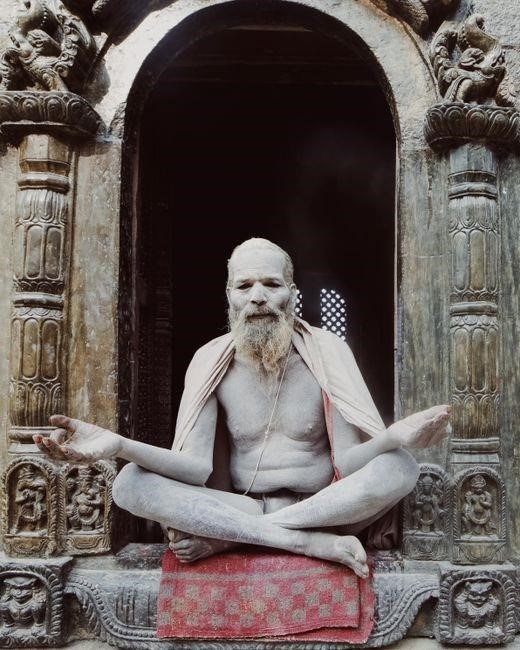
The Lazy Mans Guide shows that simple, relaxed practices boost mental clarity, reduce stress, and enhance overall well‑being. By embracing presence and gratitude, readers report calmer moods, better focus, and a deeper sense of purpose without intense effort. Daily joy.!!

Well-Being & Clarity
By adopting the Lazy Mans Guide’s gentle approach, practitioners discover that well‑being is not a distant goal but a natural state emerging from mindful presence. The book teaches that the mind’s habitual chatter can be observed, not suppressed, allowing stress to dissolve without forceful effort. When one pauses to notice the breath, thoughts drift like clouds, and a quiet clarity surfaces. This clarity is not intellectual but experiential, felt in the subtle shift of awareness that accompanies each ordinary moment. The guide emphasizes gratitude as a simple, yet powerful, practice: acknowledging the small gifts of a sunrise, a friendly smile, or a warm cup of tea. Such gratitude cultivates a resilient mindset that buffers against anxiety and promotes emotional balance. Moreover, the book argues that letting go of rigid expectations frees energy that would otherwise be spent on self‑criticism. By embracing imperfection, individuals find a deeper sense of peace and authenticity. The resulting clarity enables better decision‑making, as choices arise from a calm center rather than reactive impulses. In daily life, this translates to smoother interactions, heightened creativity, and a sustained sense of purpose. Ultimately, the Lazy Mans Guide shows that sustained well‑being is attainable through simple, consistent attention to the present, without demanding exhaustive discipline. Readers report that the practice of observing thoughts without judgment reduces rumination, leading to lower cortisol levels and improved sleep quality. The guide also highlights the importance of gentle movement—simple stretches or a slow walk—to keep the body aligned with the mind’s relaxed rhythm. By integrating these small habits into a daily routine, individuals experience a cumulative effect that reinforces both mental and physical health. The Lazy Mans Guide’s philosophy encourages a balanced lifestyle, where work, rest, and play coexist harmoniously, fostering a sustainable rhythm that supports long‑term well‑being. In this way, the path to clarity becomes a natural extension of everyday life, rather than a separate, arduous quest.

Practical Resources
- Lazy Mans Guide to Enlightenment (1972) – 80 pages of practical insight.
- Lazy Mans Life – biography of Thaddeus Golass’s journey.
- Online forums: EnlightenedLazies.com, MindfulSlackers.net.
- Book club: Lazy Enlightenment Circle – monthly virtual meetups.
Visit lazyenlightenment.org
Key Books & Online Communities
Key Books & Online Communities: The Lazy Mans Guide to Enlightenment (1972) remains the foundational text, offering 80 pages of distilled insight. Its companion biography, Lazy Mans Life, chronicles Thaddeus Golass’s journey, illustrating the practical application of presence over effort. Together, they form a concise manual that challenges the notion that enlightenment requires rigorous discipline. Online, LazyEnlightenment.org hosts discussion boards, Q&A sessions, and audio reflections that reinforce the book’s core ideas. EnlightenedLazies.com provides a casual forum for sharing anecdotes, peer‑support, and motivation. Monthly virtual meet‑ups by the Lazy Enlightenment Circle offer guided meditations, journaling prompts, and live chats with guest speakers, all designed to fit a relaxed lifestyle while still delivering actionable takeaways. These resources combine to create a supportive ecosystem that empowers individuals to pursue awakening without sacrificing comfort. Additionally, members can subscribe to a weekly newsletter that curates short meditative exercises, inspirational quotes, and concise reflections, ensuring that even the busiest day contains a moment of calm and clarity. for free! now Moreover, the community hosts a quarterly podcast series where practitioners discuss everyday challenges, share success stories, and provide reminders that progress is a series of steps daily mindful, rather than grand gestures.