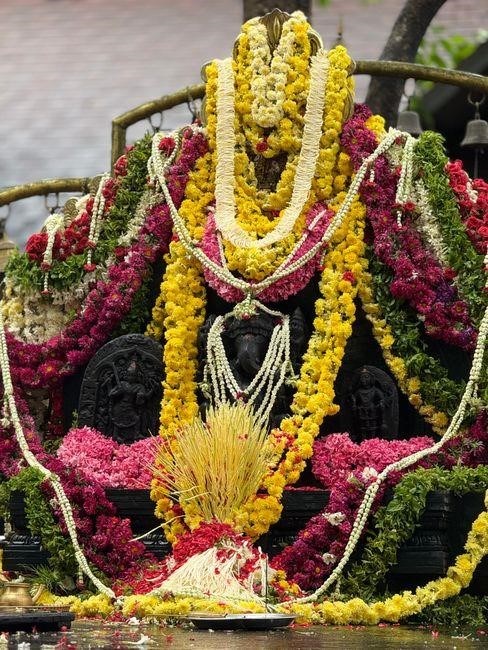
Overview of Satyanarayan Pooja

Satyanarayan Pooja, a revered Hindu ritual, is documented in various PDF resources․ The PDF offers a detailed checklist and step‑by‑step procedure, covering altar setup, offerings, and chants․ It serves as a practical guide for devotees seeking to perform the ceremony accurately․ Includes diagrams, timing
1․1 Historical and Theological Significance
Satyanarayan Pooja, rooted in Vedic tradition, venerates the supreme truth embodied by Lord Vishnu․ Historical records trace its practice to ancient sages who sought to affirm the eternal reality of dharma through a structured liturgy․ The ritual’s name, “Satyanarayan,” combines “satya” (truth) and “narayan” (Vishnu), underscoring its philosophical foundation: the worship of truth as the divine principle․ Theological discourse highlights that the puja aligns with the concept of “Satya” in the Bhagavad Gita, where truth is the path to liberation․ Scholars note that the ceremony’s sequence—invocation, offering, and mantra recitation—mirrors the cosmic order described in the Puranas․ In contemporary practice, devotees use the PDF guide to access a concise, authoritative text that preserves the original hymns and procedural nuances․ The document preserves linguistic fidelity by including Marathi translations, ensuring accessibility for regional practitioners․ By integrating scriptural citations, the PDF reinforces the ritual’s authenticity, allowing participants to connect with the historical lineage of the Satyanarayan tradition․ Thus, the ceremony functions as both a devotional act and a living testament to the enduring relevance of Vedic truth in modern spirituality․ The PDF’s structured layout, with clear headings and embedded audio cues, further enhances accessibility, ensuring that even novice practitioners can navigate the complex sequence with confidence and reverence and fostering unity․ for all ages․ and peace․
PDF Resource Formats
Satyanarayan Pooja PDFs are available in multiple formats: standard PDF for printing, EPUB for e‑readers, and DAISY for accessibility․ Each format preserves the ritual checklist, chants, and altar instructions, ensuring devotees can access the ceremony’s guidance on device․ Free downloads available on archive․org
2․1 Available Formats (PDF, EPUB, DAISY)
Satyanarayan Pooja documents are distributed in several digital formats to accommodate diverse user needs․ The primary format is a high‑resolution PDF, ideal for printing and offline viewing; it contains full ritual scripts, altar diagrams, and detailed offering lists․ For readers who prefer e‑devices, an EPUB version is offered, featuring reflowable text, embedded images, and interactive navigation that allows users to jump directly to specific verses or steps․ Accessibility is a key consideration: a DAISY format is also available, providing audio narration synchronized with the text, enabling visually impaired devotees to follow the puja instructions audibly․ All versions are hosted on the Internet Archive, where users can download the files for free․ The PDF, EPUB, and DAISY files are each accompanied by metadata that includes the author, publication date, and a brief summary of the content․ Users can choose the format that best suits their device or accessibility requirements, ensuring that the sacred instructions are accessible to all practitioners․
The PDF file is approximately 2․5 MB, containing 45 pages of text and 12 high‑resolution images․ The EPUB file is around 1․8 MB, optimized for mobile reading․ The DAISY file, about 3․2 MB, includes a synchronized audio track recorded in Marathi and Hindi․ Each format supports multilingual captions, and the PDF includes a searchable text layer thanks to ABBYY FineReader OCR, allowing users to locate specific verses quickly․ The archive also provides a plain‑text version for those who need a lightweight file․
Download links are available via direct URLs: https://archive․org/download/satyanarayanpooja/pooja․pdf, https://archive․org/download/satyanarayanpooja/pooja․epub, and https://archive․org/download/satyanarayanpooja/pooja․daisy․ Users can also use the archive’s API to programmatically retrieve the files․ The files are released under a Creative Commons license, permitting free use for personal and educational purposes․ Users can also share the files on social media․
In addition to the main ritual guide, the archive hosts supplementary materials such as a PDF of the chant list, an EPUB of the hymn translations, and a DAISY of the commentary․ These resources are organized in a single archive package, making it easy to download all related documents at once․
Key Sections of the PDFs
The PDF contains a ritual checklist, altar layout, offering list, chant sequence, and timing guide․ Each section is clearly labeled, with diagrams and step‑by‑step instructions for devotees to follow․ The guide also includes a timing chart and a list of auspicious days․ End
3․1 Ritual Checklist and Procedure
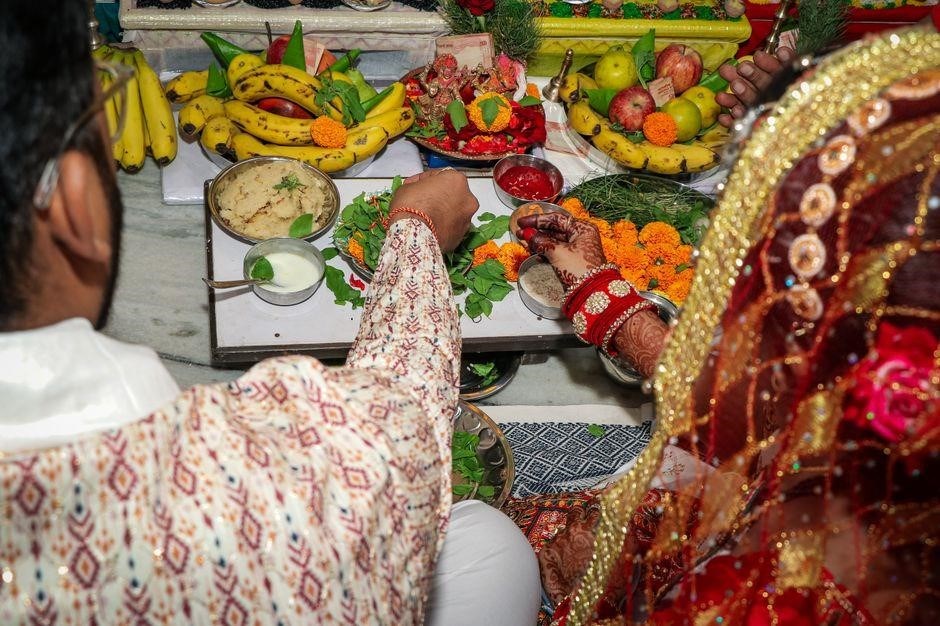
The PDF’s “Ritual Checklist and Procedure” section is the core guide for Satyanarayan Pooja, detailing every step from altar setup to final blessing․ It begins with a list of essential altar items—lamp, incense sticks, fresh flowers, seasonal fruit, a bowl of water, and grains—each item’s symbolic meaning briefly noted․ The checklist specifies the exact order of offerings: light the lamp, burn incense while reciting the opening mantra, “Om Satyanarayana Namaha․” Next, arrange flowers around the altar in a circle and chant the “Satyanarayan” hymn to invite the deity․ The main puja follows: offer a small portion of food, perform “abhishekam” by pouring water and milk over the idol, and give a sweet treat as a final blessing․ This structured approach allows devotees to perform the puja with confidence and reverence․

Optional practices deepen the puja’s impact․ They include lighting a small brass lamp for each family member, reciting the “Gayatri” mantra before the main hymn, and placing a brass bell at the altar entrance to ward off negative energies․ The guide advises using these only if time and resources allow, keeping the ceremony manageable․ Practical tips for altar cleanliness—wiping the surface before starting and setting a dedicated space for offerings—help maintain focus․ By following these suggestions, the ritual stays sacred and accessible, allowing devotees to concentrate on spiritual aspects without distraction․ The checklist’s clear layout and explanatory notes make it a valuable resource for first‑time practitioners and seasoned devotees for families․
Preparation Checklist
Gather altar essentials: lamp, incense, fresh flowers, seasonal fruit, water, grains, sweet offering․ Arrange items in order: light lamp, burn incense, chant opening mantra, place flowers, perform abhishekam, offer food, conclude with blessing․ Keep space clean․All set․ Enjoy․
4․1 Altar Items and Offerings
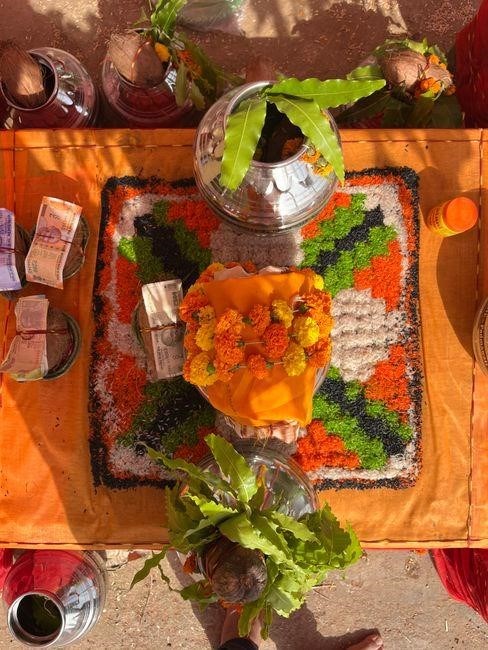
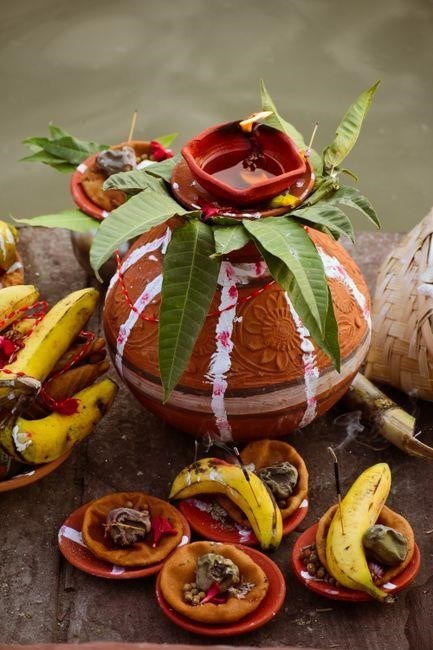
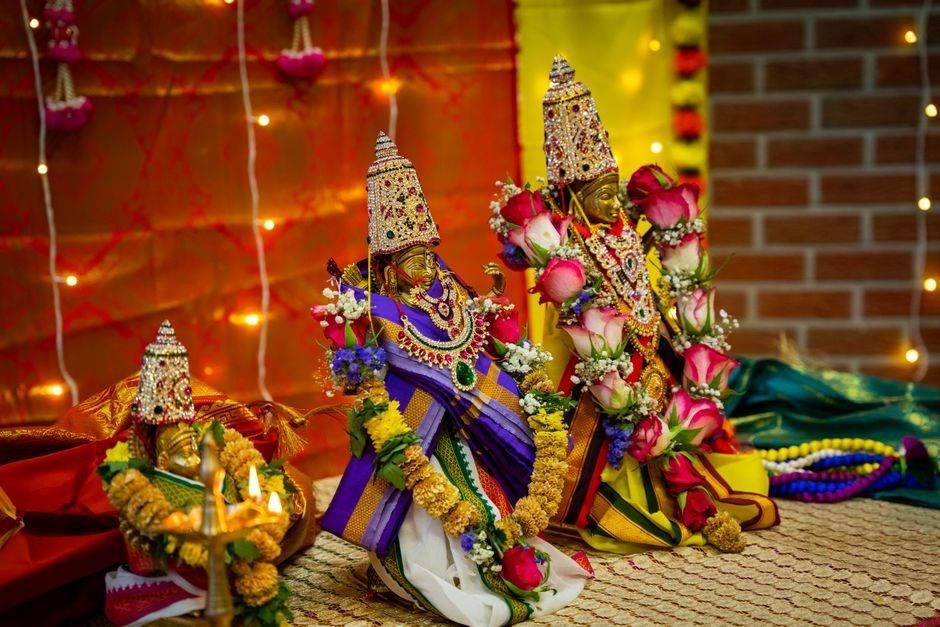
An altar for Satyanarayan Pooja must be pristine, symbolizing purity before the divine․ Begin with a clean, smooth surface, preferably a wooden or marble slab, and cover it with a white cloth or a fresh, fragrant flower arrangement․ The central lamp (diyas) should be placed at the heart of the altar, surrounded by a small brass or copper pot of water to signify the presence of the sacred․ Next, arrange the incense sticks in a neat row, ensuring they are unscented or lightly scented with sandalwood to maintain tranquility․ Fresh flowers—tulips, marigolds, or jasmine—are placed in a decorative vase, offering visual beauty and fragrance․ The offering bowl, typically made of brass, should contain a mixture of sesame seeds, rice, and jaggery, symbolizing nourishment and gratitude․ A small plate of fruits—bananas, apples, and pomegranates—must be offered, representing abundance․ Additionally, a bowl of water with a pinch of turmeric and a few grains of rice is essential for the abhishekam ritual․ A small bell or conch shell is also placed to invite divine presence․ Finally, a small stack of incense sticks, a few sprigs of fresh herbs, and a small pot of ghee complete the altar, ensuring all elements are ready for the chanting and offering sequence․ The altar, now complete, invites the presence of the divine, and as the chants rise, the household is filled with peace, gratitude, and a renewed sense of devotion, ensuring the ceremony is both sacred and transformative for all participants․ and all hearts․ with love․
4․2 Food and Decoration Requirements
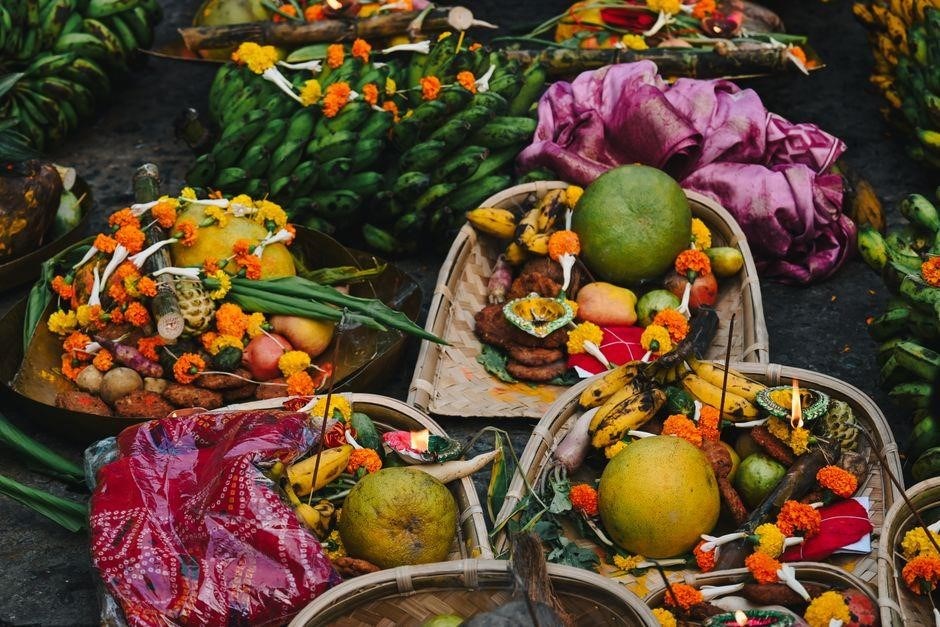
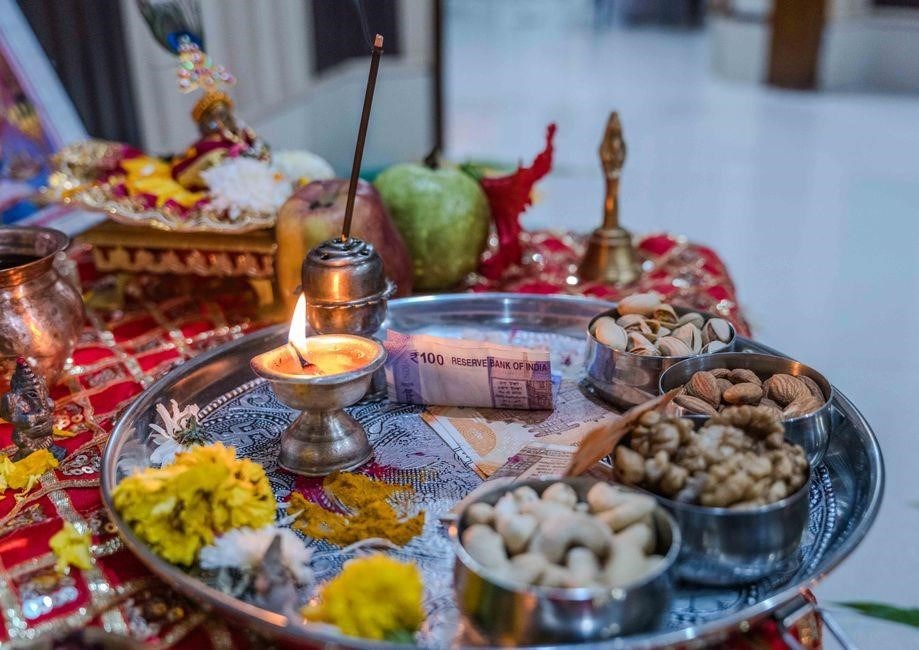
For a complete Satyanarayan Pooja, the PDF specifies a detailed list of food items and decorative elements that must be prepared in advance; The food portion begins with a small plate of fresh fruits—bananas, apples, pomegranates, and grapes—placed beside the offering bowl․ Next, a mixture of rice, sesame seeds, and jaggery is offered as a symbolic gesture of gratitude․ A small pot of ghee, a few drops of honey, and a pinch of turmeric in water are used for the abhishekam ritual․ Sweets such as laddoos, barfis, and kheer are arranged in a decorative tray, while a bowl of curd and a small portion of roasted gram are also included․ The decorative requirements call for a clean, white cloth covering the altar, a central lamp (diyas) surrounded by a brass pot of water, and a row of incense sticks․ Fresh flowers—marigolds, jasmine, and tulips—are placed in a vase, and a small bell or conch shell is positioned to invite divine presence․ The entire setup must be free of clutter, with all items arranged in a symmetrical pattern to maintain harmony and focus during the chanting and offering sequence․
The arrangement of these items follows a symmetrical layout, with the central lamp at the center, offering bowl to the right, and flowers on the left․ The incense sticks are placed in a small brass holder, and the bell is positioned above the lamp to attract divine attention․ The entire setup is illuminated by single diya, creating a serene atmosphere that enhances the spiritual experience․ peaceful!
Step‑by‑Step Procedure
Begin by arranging the altar with a white cloth, lamp, and offering bowl․ Invoke the deity with the mantra, then perform the abhishekam using ghee, honey, and water․ Offer fruits, rice, and sweets, chanting the verses․ Conclude with the final prayer and gratitude․ for all․ now
5․1 Altar Setup, Invocation, and Offering Rituals
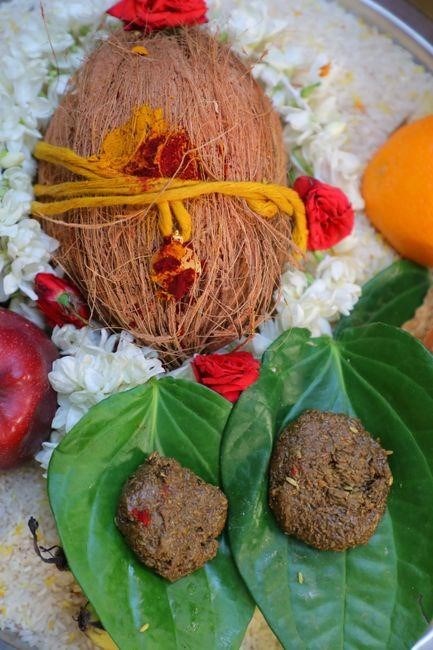
Begin by selecting a clean, elevated surface for the altar․ Cover it with a pure white cloth, symbolizing purity and devotion․ Place the brass lamp (diya) at the center, ensuring it is free from dust and ready for lighting․ Surround the lamp with an array of small bowls containing water, milk, honey, and ghee, each representing a different element of the divine․ Arrange fragrant flowers—primarily marigolds and jasmine—around the altar to invite positive energy and create a pleasing aroma․ Next, set out the essential offerings: a small plate of mixed fruits (mangoes, bananas, apples), a bowl of cooked rice, a sweet dish (kheer or halwa), and a handful of sesame seeds․ These items are chosen for their symbolic significance and are traditionally offered to Lord Satyanarayana․ Once the altar is prepared, perform the invocation by chanting the “Satyanarayana Stuti” in a rhythmic, melodic tone․ The mantra should be recited three times, each time with a different tone to invoke the deity’s presence․ After the invocation, proceed to the abhishekam (ritual bathing) by pouring the prepared offerings—ghee, honey, milk, and water—over the idol or picture of Lord Satyanarayana․ This act purifies the space and honors the deity․ Following the abhishekam, offer the fruits, rice, and sweets to the deity, accompanied by the recitation of the “Satyanarayana Stuti” and the “Gayatri Mantra․” Finally, conclude the ritual by offering a small portion of the sweets to the devotees and the priest, and then light the lamp for the final time, symbolizing the dispelling of darkness and the ushering in of divine light․ The entire procedure should be performed with reverence, mindfulness, and a sincere heart, ensuring that every step aligns with the traditional guidelines outlined in the PDF resources․ Before lighting the lamp, apply a thin layer of sandalwood paste to the lamp’s base to enhance fragrance․ Use a small bell to signal the start of the ritual, ringing it thrice to mark the beginning, middle, and end of the ceremony․ After offering the sweets, distribute a small portion to the priest and the attending devotees as a gesture of gratitude․ The final act of the ritual is to extinguish the lamp with a gentle wave of a cloth, signifying the completion of the worship and the return of the divine presence to the household․ Throughout the ceremony, maintain a calm, focused demeanor, ensuring that each action is performed with precision and devotion․ The PDF guide emphasizes the importance of using clean, fresh items and avoiding any impure or stale offerings, as purity is paramount in the Satyanarayana Pooja․ The entire ritual typically lasts between 30 to 45 minutes, depending on the number of offerings and the pace of chanting․ It is customary to invite family members to participate, allowing them to offer their own prayers and to receive the blessings of Lord Satyanarayana․ The PDF also provides a detailed checklist to ensure no component is omitted, making the ceremony smooth and error‑free․ If you are performing the puja in a temple setting, ensure that the altar is aligned with the eastward direction, as this orientation is considered auspicious․ In case of a home setting, the altar should be placed in a corner that receives morning sunlight, symbolizing the presence of divine light․ The PDF includes diagrams illustrating the exact placement of each item, which can be referenced for visual guidance․ The chanting of the Satyanarayana Stuti should be done in a tone that is neither too high nor too low, maintaining a steady rhythm that resonates with the heart․ The final blessing is often accompanied by a short prayer for health, prosperity and protection, which can be found in the PDF’s concluding section․
Access, Licensing, and Practical Applications
Satyanarayan Pooja PDFs are downloadable from Internet Archive and repositories․ They are released under Creative Commons licenses, allowing personal use and sharing․ Users must credit the source and avoid commercial redistribution permission for free!․
6․1 Download Sources and Usage Guidelines
Satyanarayan Pooja PDFs are freely accessible on the Internet Archive, where multiple formats—PDF, EPUB, DAISY, and full‑text—are available for download․ The primary repository link is SatyanarayanPooja-Marathi, which hosts the original scanned manuscript along with OCR text․ Users can click the “Download” button to retrieve a single PDF file, or choose the “Download (EPUB)” or “Download (DAISY)” options for accessibility needs․ The PDF version contains a comprehensive ritual checklist, altar layout diagrams, and chant transcriptions, making it ideal for both novices and seasoned practitioners․ Additionally, the archive provides a full‑text view that allows quick keyword searches, and a DAISY format for screen‑reader users․ The document is annotated with section headings that correspond to the traditional sequence of the puja, from the opening invocation to the final offering․ Practitioners can print the PDF or view it on a tablet, ensuring that the ritual instructions are always at hand during the ceremony․
Licensing follows a Creative Commons Attribution‑Non‑Commercial (CC BY‑NC) license, allowing personal and non‑commercial use; Commercial use requires permission․ The PDF is 2․5 MB, EPUB 1․8 MB, DAISY 3․2 MB, and includes a QR code for sharing․ For practice, the PDF can be printed on A4 and used as a reference during the puja, with numbered sections for altar setup, invocation, and mantras․
To comply with the license, keep the original download link visible and avoid modifying the text without permission․ Cite the PDF as “Satyanarayan Pooja, PDF, Internet Archive, 2026․” For derivative works, contact the archive’s licensing office․ Following these guidelines ensures respectful use of the Satyanarayan Pooja PDF․ They also cover digital sharing, requiring source credit․