TempaDOT Instructions: A Comprehensive Guide (Updated 04/28/2026)
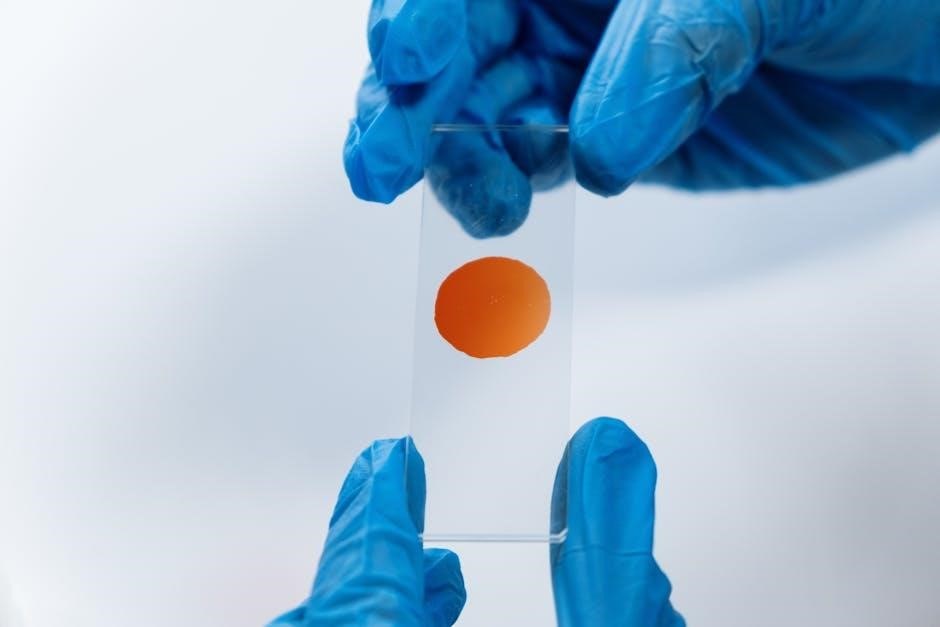
Today’s date is 04/28/2026 02:02:51. TempaDOT offers a sterile, disposable solution, minimizing infection risk with each open, use, and dispose application.
TempaDOT represents a significant advancement in temperature measurement, specifically designed to address critical concerns surrounding infection control within healthcare settings and beyond. Traditional thermometers, frequently reused between patients, pose a demonstrable risk of cross-contamination, contributing to healthcare-associated infections.
This comprehensive guide details the proper utilization of TempaDOT single-use thermometers, emphasizing their role in mitigating these risks. TempaDOT’s innovative design incorporates solid crystal technology, ensuring both accuracy – to 0.1°C / 0.2°F – and sterility.
Peer-reviewed studies and established clinical guidelines increasingly recommend disposable thermometers like TempaDOT as a best practice for reducing the transmission of pathogens. This guide will walk you through each step, from opening the sterile package to understanding the temperature readings and proper disposal procedures.
What is TempaDOT?
TempaDOT is a single-use, disposable clinical thermometer engineered for accurate and safe temperature readings. Unlike conventional thermometers requiring disinfection between patients, TempaDOT eliminates the risk of cross-contamination, a crucial factor in infection control protocols.
Each TempaDOT unit is individually sealed in a sterile package, guaranteeing a pristine device for every patient. The thermometer utilizes solid crystal technology, providing reliable measurements to 0.1°C or 0.2°F.
TempaDOT is more than just a thermometer; it’s a proactive step towards patient safety and a commitment to reducing healthcare-associated infections. Its simple open, use, and dispose functionality streamlines the temperature-taking process, making it ideal for diverse clinical and non-clinical environments.
The Problem of Thermometer-Related Infections
Traditional thermometers, despite diligent cleaning, pose a persistent risk of transmitting infectious agents between patients. This represents a significant concern within healthcare settings, contributing to healthcare-associated infections (HAIs); The challenge lies in ensuring complete disinfection, as some pathogens can survive standard cleaning procedures.
Reusable thermometers, even with rigorous protocols, can harbor bacteria and viruses, potentially leading to the spread of illnesses like influenza, common colds, and more serious infections. This risk is particularly acute in environments with high patient turnover or limited resources for thorough disinfection.
TempaDOT directly addresses this problem by offering a sterile, single-use alternative, effectively eliminating the possibility of cross-contamination and bolstering infection control measures.
TempaDOT’s Solution: Single-Use Disposable Thermometers
TempaDOT represents a paradigm shift in temperature measurement, offering a completely sterile and disposable solution to mitigate the risks associated with reusable thermometers. Each unit is individually wrapped, guaranteeing a pristine device for every patient encounter. This innovative approach eliminates the potential for cross-contamination, a critical factor in infection control.
By utilizing Solid Crystal Technology, TempaDOT delivers accurate readings while maintaining a high standard of hygiene. The single-use nature of the thermometer ensures that no pathogen transfer occurs, safeguarding both patients and healthcare professionals.
With no documented instances of patient-induced infection throughout its history, TempaDOT provides a reliable and safe method for temperature assessment.
Using TempaDOT: Step-by-Step Instructions
Insert the thermometer and wait 60 seconds, positioning it under the tongue as far back as possible, touching the TempaDOT logo.
Opening the Sterile Package
Ensuring sterility is paramount when utilizing TempaDOT thermometers. Begin by carefully locating the pre-scored tear notch on the sterile package. Gently pull the edges of the package apart along this designated line, avoiding any forceful tearing that could compromise the sterile barrier.
Once opened, immediately remove the TempaDOT thermometer. Do not touch the sensing tip, as this will invalidate the sterility. The thermometer is now ready for immediate use. Inspect the thermometer visually to confirm its integrity – ensure it is undamaged and the blue dot indicator is clearly visible.
Discard the empty package appropriately, maintaining a commitment to infection control protocols. Remember, TempaDOT is designed for single-use only, and maintaining sterility throughout the opening process is crucial for accurate readings and patient safety.
Proper Insertion Technique (Oral)
For accurate oral temperature readings with TempaDOT, instruct the patient to open their mouth. Gently insert the thermometer under the tongue, positioning it as far back as comfortably possible towards either heat pocket. This ensures optimal contact with the body’s core temperature.
Adults should aim for the middle of the TempaDOT logo to align with their lips, securing the thermometer in place. Encourage the patient to close their lips gently around the device, maintaining a seal without biting down. Proper positioning is vital for minimizing external influences and obtaining a reliable result.
Avoid excessive movement or talking during the 60-second measurement period. Consistent placement guarantees the most accurate temperature assessment.
Positioning for Accurate Readings
Achieving a precise temperature reading with TempaDOT relies heavily on correct positioning. Whether oral, axillary, or rectal (though not detailed here), consistent placement is key. For oral readings, ensure the thermometer rests deeply under the tongue, towards the rear heat pockets.
Proper lip closure around the device is crucial, creating a seal to prevent ambient air interference. Avoid biting or shifting the thermometer during the 60-second measurement window. Axillary positioning requires a snug fit under the arm, with the arm held firmly against the body.
Consistent technique minimizes errors and maximizes the reliability of TempaDOT’s solid crystal technology, delivering accurate results every time.
Insertion Time: The 60-Second Rule
The cornerstone of accurate temperature measurement with TempaDOT is adhering to the 60-second rule. Regardless of the administration route – oral, or axillary – a full 60 seconds is mandatory for the thermometer to equilibrate with the patient’s core temperature.

Premature removal will yield an inaccurate, potentially lower reading. During this period, maintain consistent positioning; avoid talking, eating, or drinking if using the oral route. Ensure the arm remains firmly pressed against the body for axillary measurements.
The TempaDOT’s solid crystal technology requires this full minute to register and lock in the highest temperature, indicated by the blue dot. Insert thermometer and wait 60 seconds for optimal results.
Understanding TempaDOT Readings
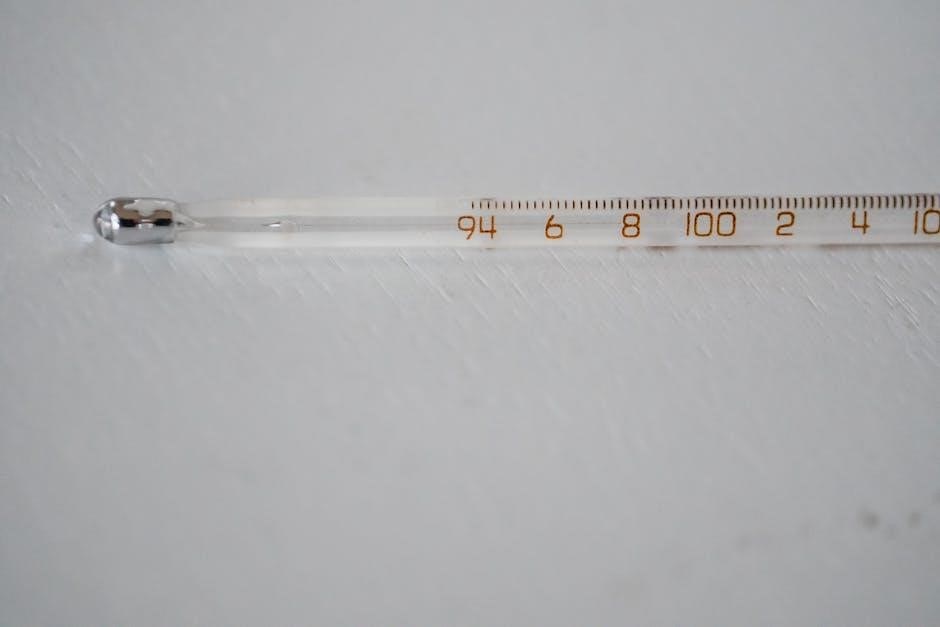
TempaDOT’s blue dot indicates the highest registered temperature, locking it in for easy reading. Accurate measurements, in Fahrenheit or Celsius, are now readily available.
The Blue Dot Indicator
The distinctive blue dot on the TempaDOT thermometer is a crucial element in understanding temperature readings. This isn’t just a color; it’s a dynamic indicator of the thermometer’s functionality. As the thermometer warms with the patient’s temperature, a special chemical reaction occurs, causing the dot to transition in color.
Crucially, the dot turns and remains blue, signifying that the highest temperature reached during the 60-second measurement period has been achieved and locked in. This visual confirmation eliminates guesswork and provides a clear, unambiguous reading. The blue color persists, allowing healthcare professionals ample time to observe and record the temperature accurately, even after removing the thermometer from the patient.
This feature is central to TempaDOT’s ease of use and reliability, ensuring consistent and dependable temperature assessments with every single-use application.
Reading the Temperature (Fahrenheit Scale)
Once the blue dot indicator has fully transitioned and remains blue, signifying the temperature lock, reading the Fahrenheit scale is straightforward. The TempaDOT thermometer features clearly marked gradations along its length, representing degrees Fahrenheit.
Locate the point where the blue dot stops; this corresponds directly to the patient’s temperature on the Fahrenheit scale. The markings are designed for easy readability, minimizing the potential for errors. Healthcare professionals can quickly and accurately assess the temperature without relying on complex interpretations.
Remember, TempaDOT is accurate to 0.2°F, providing a reliable measurement for clinical decision-making. The single-use design ensures a sterile and precise reading every time.
Reading the Temperature (Celsius Scale ‒ if applicable)
While primarily designed for Fahrenheit readings, some TempaDOT models may also display a Celsius scale. If your thermometer includes Celsius markings, locate the point where the blue dot indicator stabilizes after the 60-second measurement period.
Align the blue dot with the corresponding degree Celsius marking on the thermometer’s scale. TempaDOT boasts an accuracy of 0.1°C, ensuring a precise temperature assessment. The Celsius scale provides an alternative for healthcare facilities or regions utilizing this measurement system.
Always verify which scale is present on your specific TempaDOT device before interpreting the reading. Consistent use of the correct scale is crucial for accurate patient care and reliable temperature monitoring.
Temperature Locking Mechanism
TempaDOT is engineered with a sophisticated temperature locking mechanism, ensuring a stable and easily readable result after the 60-second measurement period. Once the highest temperature is achieved, the blue dot indicator will not only change color but also remain fixed at the corresponding temperature marking.
This locking feature eliminates the need for immediate reading, allowing healthcare professionals to record the temperature at their convenience. The stable reading minimizes errors caused by parallax or movement. The blue dot clearly indicates the highest temperature reached during the measurement process.
This reliable locking system contributes to TempaDOT’s accuracy and ease of use, streamlining temperature assessment in clinical settings.

TempaDOT Technology & Features
TempaDOT utilizes solid crystal technology, delivering accuracy to 0.1°C/0.2°F, and prioritizes sterility for maximum infection control in every disposable unit.
Solid Crystal Technology
TempaDOT’s core innovation lies in its solid crystal technology, a departure from traditional mercury or alcohol thermometers; This advanced system ensures reliable and consistent temperature readings without the hazards associated with liquid-filled devices. The solid crystal formulation provides a stable and predictable thermal response, contributing to the thermometer’s exceptional accuracy of 0.1°C or 0.2°F.
Unlike digital thermometers that rely on batteries and electronic sensors, TempaDOT’s solid crystal operates on a purely physical principle, making it inherently dependable. This technology also eliminates the risk of electromagnetic interference, ensuring accurate readings in diverse clinical settings. The crystal’s composition is carefully selected for its thermal properties and biocompatibility, guaranteeing both performance and patient safety. This solid-state design is fundamental to TempaDOT’s single-use, infection-control focused approach.
Accuracy: 0.1°C / 0.2°F
TempaDOT is engineered for precision, delivering temperature readings with an accuracy of 0.1°C or 0.2°F. This level of accuracy is crucial for reliable clinical assessments and informed healthcare decisions. Rigorous testing and quality control measures are implemented throughout the manufacturing process to ensure each thermometer meets these stringent standards.
The solid crystal technology underpinning TempaDOT contributes significantly to its consistent performance. Unlike thermometers susceptible to calibration drift, TempaDOT maintains its accuracy throughout its single-use lifespan. This precision minimizes the potential for misdiagnosis and supports effective patient care. Healthcare professionals can confidently rely on TempaDOT for accurate temperature measurements, enhancing diagnostic reliability and treatment efficacy.
Sterility and Infection Control
TempaDOT prioritizes patient safety through its single-use, disposable design, fundamentally addressing the risks associated with thermometer-related infections. Each unit is individually sealed in a sterile package, guaranteeing a completely hygienic device ready for immediate use. This eliminates the potential for cross-contamination between patients, a significant concern with reusable thermometers.
Throughout TempaDOT’s history, there have been no documented instances of patient-induced infections linked to its use. Peer-reviewed studies and clinical guidelines increasingly recommend single-use thermometers like TempaDOT to minimize infection transmission. By choosing TempaDOT, healthcare providers actively contribute to a safer clinical environment and uphold the highest standards of infection control protocols.

Clinical Support & Recommendations
Clinical guidelines advocate for single-use devices like TempaDOT to reduce infection risks. Peer-reviewed studies confirm its accuracy and support its widespread adoption.
Peer-Reviewed Studies
Numerous peer-reviewed studies consistently demonstrate the efficacy and safety of single-use thermometers like TempaDOT in minimizing the transmission of infectious agents. These investigations highlight the critical role disposable thermometers play in infection control protocols within healthcare settings. Research indicates a significant reduction in cross-contamination events when compared to traditional, reusable thermometers.
Specifically, studies have focused on the benefits of solid crystal technology, showcasing its reliability and accuracy – consistently within 0.1°C / 0.2°F. These findings support the recommendation for utilizing disposable thermometers, particularly in environments where vulnerable patient populations are present. The data clearly illustrates that implementing TempaDOT contributes to improved patient safety and a decreased incidence of healthcare-associated infections, bolstering clinical best practices.
Clinical Guidelines & Best Practices
Current clinical guidelines strongly advocate for the adoption of single-use, disposable thermometers to mitigate the risk of transferring pathogens between patients. Leading healthcare organizations recommend TempaDOT as a best practice for temperature monitoring, particularly in settings prioritizing infection prevention.
These recommendations stem from extensive research demonstrating the limitations of adequately disinfecting reusable thermometers. Best practices include utilizing TempaDOT for all patient temperature assessments, ensuring each individual receives a fresh, sterile device. Proper disposal procedures, as outlined in the safety guidelines, are also crucial. Implementing these protocols contributes to a safer healthcare environment and aligns with established standards for patient care, ultimately reducing infection rates.
Reduced Infection Rates
TempaDOT’s single-use design demonstrably contributes to reduced infection rates within healthcare facilities. Unlike reusable thermometers, which pose a continuous cross-contamination risk even with diligent disinfection protocols, TempaDOT eliminates this concern entirely. Throughout its history, there have been no documented instances of patient-induced infections directly linked to TempaDOT usage.
This significant advantage translates to improved patient safety and a decrease in healthcare-associated infections (HAIs). By minimizing pathogen transmission, TempaDOT supports a more hygienic clinical environment. The adoption of disposable thermometers like TempaDOT is a proactive step towards enhancing infection control measures and safeguarding patient well-being, aligning with stringent healthcare standards.

TempaDOT: Axillary Use
TempaDOT can be used under the arm; Medical Indicators (2014) provides technical information regarding this method for accurate temperature readings.

Using TempaDOT Under the Arm
Employing TempaDOT for axillary temperature measurement offers a non-invasive alternative. Ensure the armpit is dry before positioning the thermometer securely within the center. Maintain firm, consistent contact throughout the 60-second reading period.
While oral readings are often preferred for accuracy, axillary use is suitable when oral measurement is impractical or contraindicated. Remember that axillary temperatures generally run slightly lower than oral temperatures.
Medical Indicators (2014) details the specific techniques for optimal axillary readings with TempaDOT. Proper placement and consistent contact are crucial for reliable results. Always follow established clinical guidelines when interpreting axillary temperature data, considering potential variations.
Considerations for Axillary Readings
When utilizing TempaDOT under the arm, several factors influence accuracy. Recent activity, such as exercise, can elevate axillary temperature. Ensure the patient has been resting for at least 15 minutes prior to measurement.
External factors, like clothing or ambient temperature, can also impact readings. Ensure no clothing restricts airflow or insulates the armpit. Axillary readings typically underestimate core body temperature by approximately 0.5°C (0.9°F) compared to oral measurements.
Medical Indicators (2014) emphasizes the importance of consistent technique. If a reading seems unusually low, repeat the measurement, verifying proper thermometer placement and patient compliance. Clinical judgment is essential when interpreting axillary temperatures.

Disposal & Safety
TempaDOT’s single-use design prioritizes patient safety and infection control. Dispose of used thermometers responsibly, following standard healthcare waste procedures.
Proper Disposal Procedures
TempaDOT thermometers are designed for single-use only, fundamentally contributing to infection control protocols. Following use, treat each TempaDOT as clinical waste, adhering strictly to your institution’s established guidelines for disposing of potentially biohazardous materials.
Typically, this involves placing the used thermometer into a designated sharps container or biohazard waste receptacle. Do not attempt to disinfect or reuse a TempaDOT thermometer, as this compromises its sterility and intended safety features.
Ensure proper segregation of waste streams to comply with local, state, and federal regulations. Proper disposal minimizes environmental impact and safeguards healthcare personnel and patients alike. Always consult your facility’s infection control department for specific disposal instructions.
Single-Use Nature & Patient Safety
TempaDOT’s core design principle revolves around single-use functionality, directly addressing the critical concern of cross-contamination and healthcare-associated infections. Unlike traditional thermometers requiring disinfection between patients, TempaDOT eliminates this step, significantly reducing infection transmission risks.
This disposable nature ensures each patient receives a temperature reading from a completely sterile device. Throughout TempaDOT’s history, there have been no documented instances of patient-induced infections linked to its use.
By prioritizing patient safety, TempaDOT contributes to a more hygienic clinical environment and supports best practices in infection control. This commitment to single-use technology offers peace of mind for both healthcare providers and patients.
Technical Information (Medical Indicators, 2014)
Medical Indicators, in 2014, extensively documented TempaDOT’s technical specifications, highlighting its innovative design and performance characteristics. This documentation details the TempaDOT axillary thermometer alongside general technical information regarding the product line.
Key features outlined include the utilization of Solid Crystal Technology, ensuring both accuracy and rapid temperature detection. TempaDOT achieves an impressive accuracy level of 0.1°C / 0.2°F, providing reliable clinical data.
The reports emphasize the device’s single-use, disposable nature as a cornerstone of infection control. Medical Indicators’ research supports the clinical benefits of TempaDOT, solidifying its position as a trusted temperature monitoring solution.